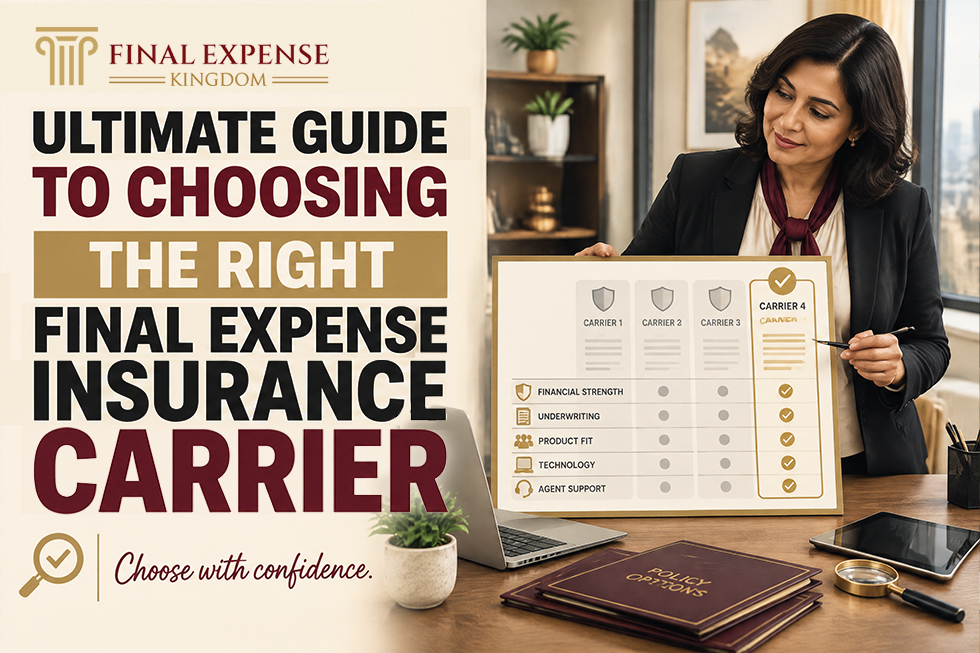
Planning for the future is one of the most meaningful ways to protect your loved ones. While many people focus on life insurance for income replacement, final expense insurance is designed to help families manage the costs that arise after someone passes away. Funeral expenses, medical bills, and other outstanding costs can quickly become a financial burden, making this type of coverage an important part of financial planning.
However, choosing the right final expense insurance carrier is just as important as selecting the policy itself. With so many providers offering similar plans, it can be difficult to know which company truly offers the best value, reliability, and customer support. This guide will help you understand what to look for when comparing insurance carriers so you can make an informed decision.
What Is Final Expense Insurance?
Final expense insurance is a type of whole life insurance that provides a smaller death benefit than traditional life insurance policies. It is specifically designed to cover end of life expenses such as funeral services, burial or cremation costs, medical bills, and other unpaid obligations.
Since these policies are generally easier to qualify for, they are especially popular among seniors who may not be eligible for larger life insurance plans due to age or health conditions.
Why Choosing the Right Carrier Matters
Not all insurance companies are created equal. Two policies may appear similar on paper, but the quality of the insurance carrier can make a significant difference in your overall experience.
A reputable carrier provides financial stability, efficient claims processing, transparent policy terms, and dependable customer service. Choosing the wrong provider could result in unnecessary delays, hidden costs, or poor customer support during an already difficult time for your family.
Look for Financial Strength
Financial stability should be one of your first considerations when selecting a final expense insurance carrier. An insurance policy is only valuable if the company can meet its financial obligations when a claim is made.
Established insurance companies with strong financial ratings are generally better equipped to pay claims promptly and remain reliable over the long term. A financially secure carrier offers greater peace of mind that your loved ones will receive the benefits promised in the policy.
Compare Coverage Options
Every individual has different financial needs, so it is important to compare the coverage options offered by different carriers.
Some companies provide flexible coverage amounts, while others specialise in guaranteed acceptance policies for individuals with health concerns. Consider whether the carrier offers options that align with your personal situation, future goals, and budget.
You should also review whether the policy includes fixed premiums that remain the same throughout your lifetime. Predictable monthly payments make budgeting much easier, particularly for retirees living on a fixed income.
Understand the Underwriting Process
Insurance carriers often have different underwriting requirements. Some policies require applicants to answer health related questions, while others offer guaranteed acceptance with no medical examination.
If you are in relatively good health, simplified underwriting may provide lower premiums and immediate coverage. On the other hand, if you have serious medical conditions, a guaranteed acceptance policy may be the better choice despite having slightly higher premiums.
Understanding the underwriting process helps you avoid surprises during the application stage.
Review Customer Service and Claims Experience
Customer service is an essential factor that many buyers overlook. Your beneficiaries will interact with the insurance company during the claims process, so choosing a carrier known for compassionate and efficient service can make a significant difference.
Look for companies with positive customer reviews, responsive support teams, and a reputation for handling claims promptly. Fast claim payments can relieve financial stress for families when they need assistance the most.
Consider Premium Affordability
Affordable premiums are important, but the lowest price should not always be your deciding factor.
Some policies may appear inexpensive initially but provide limited benefits or include waiting periods that delay full coverage. Instead of focusing only on cost, evaluate the overall value offered by the carrier.
A slightly higher premium may provide stronger financial protection, better customer service, and more comprehensive policy features.
Read the Policy Details Carefully
Before purchasing any final expense insurance policy, carefully review the terms and conditions.
Pay close attention to waiting periods, exclusions, benefit limitations, and premium guarantees. Understanding these details before signing the policy helps prevent misunderstandings later.
If anything is unclear, ask questions until you fully understand the coverage. A trustworthy insurance carrier will be transparent and willing to explain every aspect of the policy.
Evaluate the Company’s Reputation
Experience and reputation matter in the insurance industry. Companies with many years of successful operation often have proven systems for customer support, policy management, and claims processing.
Reading independent customer reviews and testimonials can provide valuable insight into how the company treats policyholders. Consistently positive feedback is usually a good indicator of reliability and customer satisfaction.
Work With a Knowledgeable Insurance Professional
Choosing the right carrier can feel overwhelming because there are many options available. Working with an experienced insurance professional can simplify the process.
A knowledgeable adviser can compare multiple carriers, explain policy differences, and help you select coverage that matches your financial goals without unnecessary pressure.
Their expertise can save time while ensuring you understand every aspect of your decision.
Final Thoughts
Selecting the right final expense insurance carrier is about more than simply finding the lowest premium. It is about choosing a financially stable company that offers dependable coverage, excellent customer service, and clear policy terms. Taking the time to compare carriers, understand policy features, and evaluate company reputation can help you make a confident decision that protects your loved ones when they need it most.
Final expense insurance provides peace of mind by ensuring that your family is not left with unexpected financial responsibilities during an emotionally challenging time. By choosing a trusted insurance carrier, you can feel confident that your final wishes will be honoured and your loved ones will receive the support they deserve.
Frequently Asked Questions
How do I choose the best final expense insurance carrier?
Look for a carrier with strong financial stability, positive customer reviews, transparent policy terms, competitive premiums, and an efficient claims process.
Is final expense insurance worth it?
Yes. Final expense insurance can help cover funeral costs, medical bills, and other end of life expenses, reducing the financial burden on your family.
Can I get final expense insurance if I have health issues?
Yes. Many insurance carriers offer simplified underwriting or guaranteed acceptance policies that make coverage available even for individuals with certain health conditions.
Does final expense insurance require a medical examination?
In most cases, no. Many final expense insurance policies do not require a medical examination, making them easier and faster to obtain than traditional life insurance.