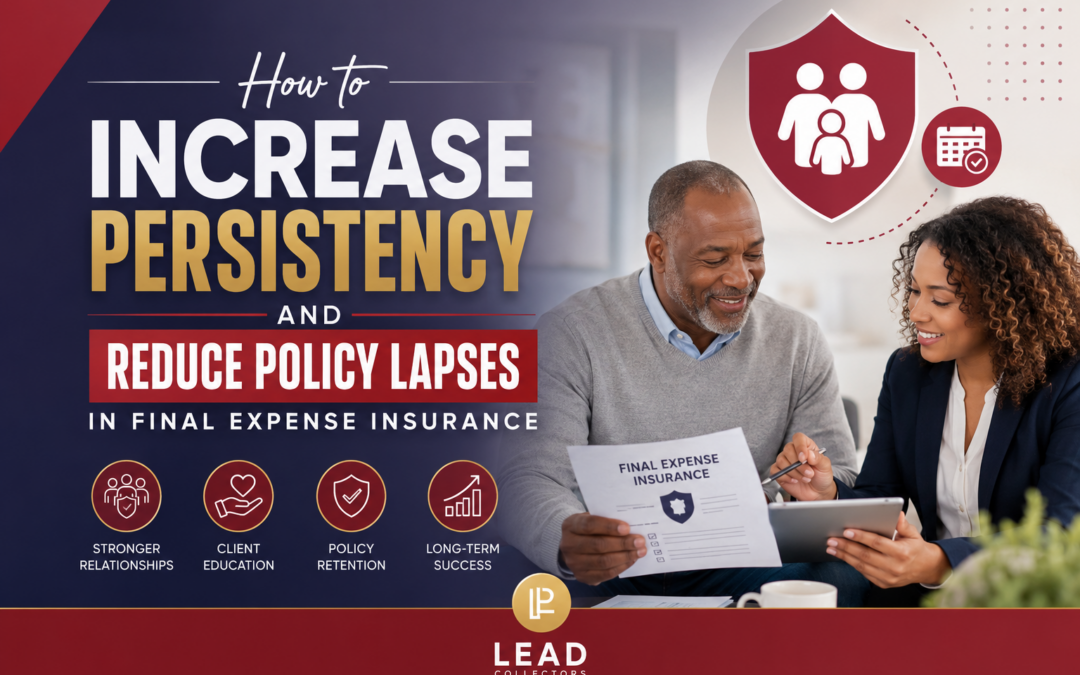
Persistency is one of the most important performance indicators in the final expense insurance industry. While acquiring new policyholders often receives the most attention, retaining existing customers is what drives long term profitability, improves carrier relationships, and strengthens an agency’s reputation. Policy lapses not only result in lost revenue but can also increase operational costs and negatively impact future growth opportunities.
For agencies, marketers, and insurance professionals operating in the final expense market, improving policy persistency requires a proactive strategy that focuses on customer engagement, affordability, education, and ongoing support. Understanding why policies lapse and implementing practical retention strategies can significantly improve outcomes.
Why Policy Persistency Matters in Final Expense Insurance
Final expense insurance is designed to help families manage end of life expenses such as funeral costs, medical bills, and outstanding debts. Because these policies often serve seniors living on fixed incomes, maintaining coverage can sometimes become challenging.
High lapse rates can impact every stakeholder involved. Carriers may face increased administrative expenses, agencies can experience chargebacks and reduced commissions, and policyholders risk losing valuable coverage when they need it most. Strong persistency rates create a more stable business model while ensuring customers continue receiving the protection they purchased.
Understanding the Main Causes of Policy Lapses
Reducing lapses begins with identifying the factors that commonly lead policyholders to discontinue coverage.
Financial Challenges
Many final expense insurance customers are retirees who rely on limited monthly income. Unexpected expenses, inflation, or changes in financial circumstances can make premium payments difficult.
Lack of Product Understanding
Some policyholders purchase coverage without fully understanding the policy’s value. When customers fail to see the long term benefits, they may view premiums as an unnecessary expense and allow coverage to lapse.
Poor Agent Follow Up
After the sale, communication often decreases significantly. Without ongoing engagement, policyholders may feel disconnected from their provider and become more likely to cancel coverage.
Payment Issues
Missed payments due to outdated banking information, expired cards, or simple forgetfulness can lead to unintentional policy lapses.
Strategies to Increase Persistency Rates
Focus on Proper Client Education
Persistency begins during the sales process. Agents should clearly explain policy benefits, premium obligations, waiting periods when applicable, and the importance of maintaining coverage.
When customers understand how the policy protects their loved ones, they are more likely to remain committed to their coverage. Setting realistic expectations from the beginning helps prevent future misunderstandings that can contribute to cancellations.
Improve Agent Training and Accountability
Well trained agents play a critical role in retention. Agencies should emphasize selling policies that align with a client’s budget rather than focusing solely on higher premium products.
Agents who prioritize suitability are more likely to place policies that remain active over time. Monitoring persistency metrics and providing ongoing coaching can also help improve agent performance.
Implement Regular Customer Touchpoints
Maintaining communication after policy issuance can significantly improve customer retention. Regular outreach helps reinforce the value of coverage and strengthens trust.
Effective touchpoints may include:
- Welcome calls after policy activation
- Annual policy reviews
- Birthday or holiday greetings
- Educational updates about final expense planning
Consistent communication reminds policyholders that their coverage remains important and valued.
Encourage Automatic Payment Options
One of the simplest ways to reduce lapses is by promoting automatic premium payments. Electronic funds transfer and recurring payment arrangements minimize the risk of missed payments and improve overall collection rates.
Agencies should discuss available payment methods during enrollment and help customers choose the most reliable option.
Use Data Analytics to Identify At Risk Policies
Modern insurance organizations increasingly rely on data to improve retention. Tracking indicators such as missed payments, policy anniversaries, customer complaints, and engagement levels can help identify policyholders who may be at risk of lapsing.
Early intervention allows agencies to address concerns before a cancellation occurs. A timely phone call or policy review can often resolve issues and preserve coverage.
Strengthening the Customer Experience
Customer experience has become a major differentiator across the insurance industry. Policyholders who feel supported are more likely to maintain their coverage.
Simplify Communication
Insurance terminology can be confusing, especially for senior clients. Clear, straightforward communication helps customers understand their benefits and responsibilities.
Whether through phone calls, emails, or printed materials, information should be presented in an accessible and easy to understand format.
Provide Responsive Customer Service
Fast and helpful customer support builds confidence and trust. When policyholders have questions about billing, coverage, or claims, prompt assistance can prevent frustration that might otherwise lead to cancellation.
Investing in customer service resources can produce measurable improvements in retention rates.
The Role of Trust in Long Term Retention
Trust remains one of the most powerful drivers of persistency in final expense insurance. Customers are more likely to maintain coverage when they believe their agent and agency genuinely care about their financial security.
Transparency, ethical sales practices, and consistent communication create stronger relationships that extend beyond the initial sale. Agencies that prioritize trust often experience higher retention rates and greater customer satisfaction.
Conclusion
Increasing persistence and reducing policy lapses in final expense insurance requires a combination of education, customer engagement, responsible sales practices, and operational efficiency. Agencies that focus on building long term relationships rather than short term sales gains are better positioned to improve retention and profitability.
By helping clients understand the value of their coverage, maintaining regular communication, encouraging automatic payments, and delivering exceptional customer service, insurance professionals can create a stronger foundation for sustainable growth with Final Expense Kingdom. In an increasingly competitive market, persistence is not just a performance metric. It is a key driver of long term success.
FAQs
What is policy persistency in final expense insurance?
Policy persistency refers to the percentage of insurance policies that remain active over a specific period. Higher persistency rates indicate stronger customer retention and better policy performance.
Why do final expense insurance policies lapse?
Common reasons include financial difficulties, missed premium payments, lack of policy understanding, and insufficient post sale communication from agents or agencies.
How can agencies reduce policy lapses?
Agencies can improve retention by educating customers, encouraging automatic payments, maintaining regular communication, providing excellent customer service, and using data to identify at risk policyholders.
Why is persistency important for insurance agencies?
Strong persistency rates help agencies reduce chargebacks, increase long term revenue, strengthen carrier relationships, and improve overall business stability.