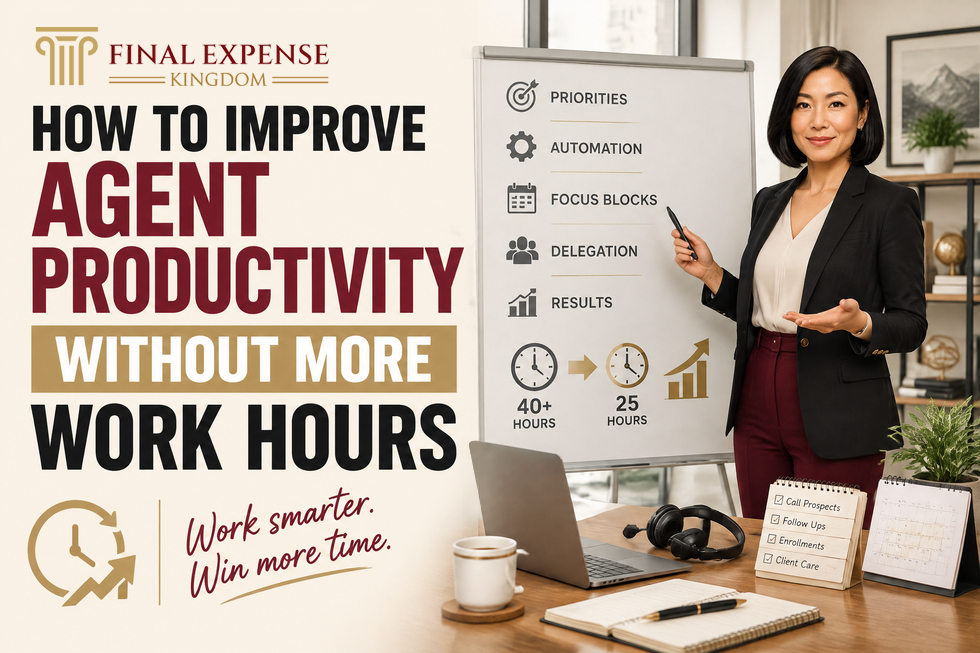
In today’s competitive business environment, organisations are constantly looking for ways to improve productivity while maintaining employee satisfaction. For customer service teams, sales representatives, and support agents, the challenge is often finding ways to accomplish more without extending working hours. Asking employees to work longer may deliver short term results, but it can also lead to fatigue, reduced performance, and higher staff turnover.
The good news is that improving agent productivity does not require longer shifts or unrealistic expectations. By focusing on smarter processes, better tools, and stronger employee support, businesses can help their teams achieve better results within the same working hours.
Understand What Slows Agents Down
The first step towards improving productivity is identifying the obstacles that prevent agents from performing at their best. Many teams lose valuable time because of repetitive tasks, outdated systems, or the need to switch between multiple applications throughout the day.
Businesses should regularly review workflows and gather feedback from agents. Employees who work with customers every day often know exactly which processes create delays. Listening to their suggestions can uncover practical improvements that save time and reduce frustration.
Invest in the Right Technology
Technology plays an important role in helping agents work more efficiently. Modern customer support platforms, automation tools, and knowledge management systems allow employees to complete routine tasks more quickly.
Automation can handle repetitive activities such as ticket routing, appointment scheduling, and follow up reminders. This gives agents more time to focus on conversations that require problem solving, empathy, and personal attention.
At the same time, a well organised knowledge base enables agents to find accurate information in seconds rather than spending valuable time seProductivity should never be measured by speed alone. Agents who feel pressured to rush through conversations may resolve fewer issues on the first attempt, leading to repeat contacts and dissatisfied customers.
Instead, organisations should balance productivity with quality by monitoring a combination of performance indicators such as:
- First contact resolution.
- Customer satisfaction.
- Response time.
- Accuracy.
- Overall case completion.
Clear and realistic goals motivate employees while encouraging consistent service quality.
Encourage Better Time Management
Time management is an important skill for every agent. Small habits developed over time can significantly improve daily efficiency.
Encourage employees to organise their workload, prioritise urgent tasks, and minimise unnecessary distractions. Managers can also help by scheduling meetings carefully so they do not interrupt periods of focused work.
Many organisations discover that simply reducing unnecessary internal meetings creates more productive time without extending working hours.
Create a Positive Working Environment
Employee wellbeing has a direct impact on productivity. Agents who feel supported, recognised, and valued are generally more engaged in their work.
Managers should create an environment where employees feel comfortable asking questions, sharing ideas, and discussing challenges. Recognition for good performance also plays an important role in maintaining motivation.
A positive workplace encourages teamwork, improves morale, and reduces employee burnout, all of which contribute to higher productivity.
Use Data to Drive Improvements
Performance data provides valuable insights into how teams are working. Instead of using reports only to evaluate employees, businesses should use analytics to identify opportunities for improvement.
For example, managers may notice recurring customer issues, longer handling times for specific enquiries, or repeated process delays. These insights help organisations make informed decisions that improve efficiency across the entire team.
Regular reviews also ensure that improvements continue over time rather than becoming one time initiatives.
Empower Agents to Make Decisions
Many delays occur because agents need approval for routine decisions. Giving employees appropriate authority to resolve common customer issues can significantly improve response times.
Empowered agents feel more confident and take greater ownership of customer interactions. Customers also benefit from faster resolutions without being transferred between multiple departments.
Of course, clear guidelines should remain in place so employees understand the limits of their decision making authority.
Focus on Sustainable Productivity
Long term productivity is built through consistency rather than constant pressure. Businesses that encourage healthy workloads, ongoing development, and efficient systems often achieve stronger results than those relying on extended working hours.
Sustainable productivity also improves employee retention. Experienced agents stay with organisations where they feel supported, reducing recruitment costs and preserving valuable knowledge within the business.
Conclusion
Improving agent productivity does not mean asking employees to work longer hours. Instead, it requires smarter strategies that eliminate unnecessary work, simplify processes, and provide the right tools and support.
By investing in technology, delivering continuous training, encouraging better time management, and creating a positive workplace culture, organisations can help agents perform at their best while maintaining a healthy work life balance.
Businesses that focus on sustainable productivity not only improve operational efficiency but also deliver better customer experiences, stronger employee engagement, and long term business growth.
Frequently Asked Questions
1. How can businesses improve agent productivity without increasing work hours?
Businesses can improve productivity by streamlining workflows, using automation, providing better training, simplifying daily tasks, and equipping agentarching through documents or asking colleagues for assistance.
Provide Continuous Training
Even experienced agents benefit from regular training. New products, updated policies, and changing customer expectations require employees to keep developing their skills.
Training should not only focus on technical knowledge. Communication skills, conflict resolution, and time management are equally important for improving daily performance.
Short learning sessions combined with regular coaching often produce better results than lengthy training programmes. Continuous learning helps agents feel more confident, which naturally improves both productivity and customer satisfaction.
Simplify Daily Processes
Complex procedures often reduce efficiency without adding value. Businesses should review internal processes and remove unnecessary steps wherever possible.
Simple improvements can make a noticeable difference, including:
- Standardising common responses for frequently asked questions.
- Creating clear workflows for recurring issues.
- Reducing duplicate data entry.
- Making important information easier to access.
When agents spend less time navigating complicated procedures, they can devote more attention to helping customers effectively.
Set Realistic Performance Goals
s with efficient technology.
2. Does automation replace customer service agents?
No. Automation is designed to handle repetitive administrative tasks, allowing agents to spend more time solving complex customer issues and delivering personalised service.
3. Why is employee wellbeing important for productivity?
Employees who feel supported and motivated are more engaged, make fewer mistakes, and provide better customer experiences, leading to higher overall productivity.
4. What is the biggest factor affecting agent productivity?
While several factors contribute, inefficient processes and outdated systems are among the most common reasons agents lose valuable working time. Addressing these issues often leads to significant improvements in productivity.