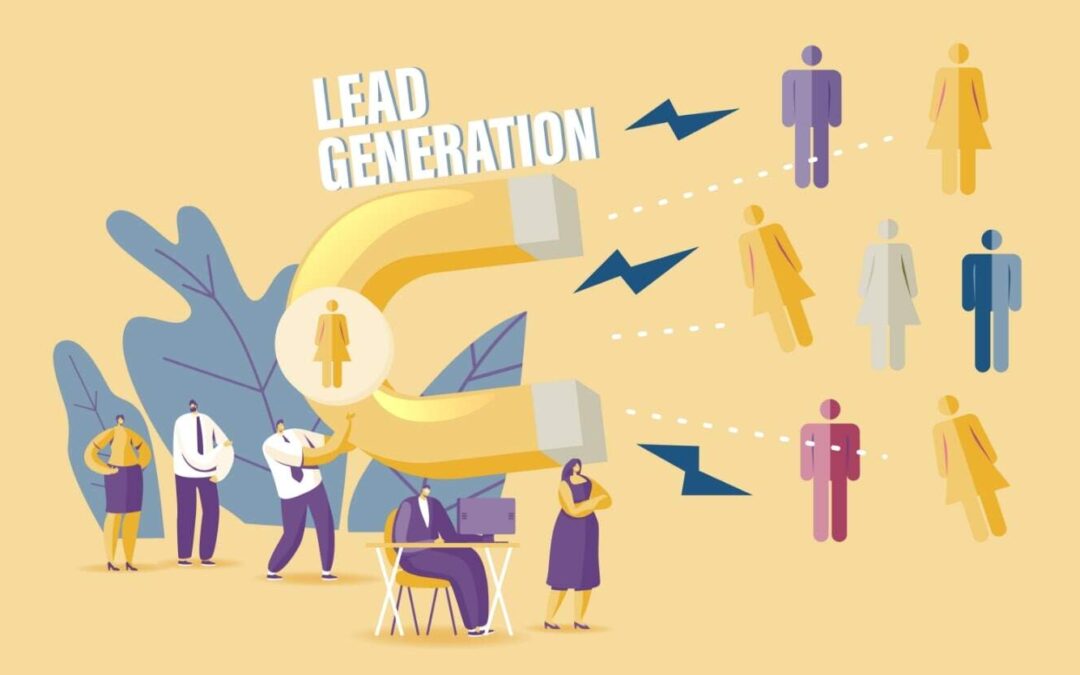
The Real Challenge Isn’t Leads, It’s Quality. Many insurance agents believe their biggest problem is not having enough leads. In reality, the bigger issue is working with prospects who were never serious buyers in the first place. Calling through long lists of unresponsive contacts wastes time, drains motivation, and slows business growth.
A focused insurance lead generation plan helps agents move away from guesswork and toward predictable growth. Today’s top-performing producers build systems that consistently bring in motivated buyers rather than relying on random lists.
This guide explains how to generate better prospects using modern strategies that improve conversion rates, stabilize income, and support long-term success.
What Are High-Quality Insurance Leads?
Before improving your pipeline, you must clearly understand what separates strong prospects from weak ones.
Key Characteristics of High-Intent Prospects
Strong leads usually share these traits:
- They are actively researching insurance options
- Their contact information is accurate and complete
- They fall within your ideal age and income range
- They respond to outreach within a reasonable timeframe
- They ask meaningful questions about coverage
When your insurance lead generation efforts focus on these signals, your sales conversations become far more productive.
Why Most Insurance Leads Fail
Many agents struggle because they rely on outdated or low-quality lead sources. The most common issues include:
- Aged leads: Contact information becomes stale quickly.
- Shared leads: Multiple agents compete for the same prospect.
- Poor targeting: The audience doesn’t match your product.
- Low intent traffic: People clicked accidentally or were only mildly curious.
- Incomplete data: Missing phone numbers or incorrect emails.
Fixing these issues is the first step toward improving your results.
Why Lead Quality Matters More Than Quantity
More leads do not automatically mean more sales. In fact, chasing volume often creates inefficiency.
Better Close Ratios
When your insurance lead generation process attracts motivated buyers, conversations move faster and close rates improve.
Stronger Time Management
Agents working with quality prospects spend more time advising clients and less time leaving voicemails.
Lower Marketing Waste
Cheap bulk leads often appear attractive upfront, but usually produce higher long-term costs due to poor conversion.
Improved Retention
Clients who genuinely need coverage tend to keep their policies longer, increasing lifetime value.
Reduced Burnout
Constant rejection from weak leads can damage confidence. Quality pipelines create positive momentum.
Top Methods to Strengthen Insurance Lead Generation
Building a reliable pipeline requires a multi-channel approach. The following methods consistently produce stronger prospects.
Inbound Marketing (Highest Intent)
Inbound marketing attracts people who are already searching for insurance solutions. This makes conversations far more productive.
Effective inbound assets include:
- SEO blog articles answering common questions
- Educational guides and comparison posts
- Lead magnets such as checklists or mini-guides
- Optimized landing pages with clear offers
- Short educational videos
This style of insurance lead generation works well because the prospect initiates contact.
Automated Lead Systems
Automation allows agents to move beyond manual prospecting. Instead of chasing leads daily, smart systems work continuously in the background.
Key advantages:
- Consistent daily lead flow
- Reduced cold calling
- Better audience targeting
- Easier business scaling
- More predictable revenue patterns
Many modern agent prospecting strategies now rely heavily on automation to maintain steady production.
Paid Advertising Done Right
Paid ads can produce strong results when supported by the proper funnel. Many agents lose money because their funnel is incomplete.
High-performing approaches include:
- Google Search ads targeting active buyers
- Facebook campaigns with refined demographics
- Retargeting for website visitors
- Dedicated landing pages for each campaign
- Clear and simple lead forms
When structured properly, paid traffic can bring a steady stream of high intent prospects into your pipeline.
Referral-Based Growth
Referrals remain one of the most cost-effective sources of strong prospects.
Strong referral systems include:
- Asking satisfied clients at the right moment
- Building relationships with financial professionals
- Creating a simple referral process
- Responding quickly to referred prospects
- Showing appreciation through thank-you gestures
Warm introductions often convert faster than cold outreach.
Social Media Authority Building
Consistent social presence positions you as a knowledgeable professional before the first conversation even begins.
Content that works well includes:
- Short educational videos
- Common insurance mistake posts
- Client success stories (with permission)
- Coverage explanation posts
- Weekly tips for families and retirees
Over time, this visibility supports long-term insurance lead generation success.
How the Inbound Approach Changes the Game
Traditional prospecting forced agents to chase uninterested contacts. Modern systems focus on attraction instead.
With a structured inbound model, agents can:
- Receive inquiries from motivated prospects
- Reduce dependence on third-party vendors
- Maintain more control over marketing
- Build a predictable appointment pipeline
- Operate efficiently from home
This shift makes insurance lead generation far more sustainable for long-term growth.
Common Lead Generation Mistakes Insurance Agents Must Avoid
Even hardworking agents can limit their results by repeating these mistakes:
- Buying the cheapest leads available
- Slow response time
- No structured follow-up process
- Weak landing pages
- Inconsistent marketing
- Poor CRM management
Fixing these gaps often leads to immediate improvement in lead conversion optimization.
How to Nurture Insurance Leads Into Paying Clients
Generating leads is only half the equation. Proper nurturing turns interest into revenue.
Speed-to-Lead Strategy
Contact new prospects quickly. Response time strongly influences appointment rates.
Best practice: attempt first contact within the first few minutes when possible.
Multi-Touch Follow-Up System
Most prospects require multiple touchpoints before committing. A structured agent sales funnel helps agents stay organized and consistent.
An effective sequence may include:
- Day 1: Call + text
- Day 2: Follow-up call
- Day 4: Email with helpful information
- Day 7: Final check-in message
Consistency often separates average agents from top producers.
Building Trust Early
Trust grows when prospects feel heard and understood. Focus on:
- Asking thoughtful questions
- Listening carefully
- Explaining options clearly
- Avoiding pressure tactics
- Providing honest recommendations
Use Education Instead of Hard Selling
Modern buyers prefer guidance over aggressive sales tactics. Agents who educate first often win more business. Position yourself as a problem solver rather than just a closer.
Signs You’re Using a Winning System
Evaluate your pipeline honestly. Strong systems typically produce:
- Predictable weekly lead flow
- Higher contact rates
- Better appointment consistency
- Improved close ratios
- Lower cost per sale
- Clear path to scaling
If your results feel inconsistent month to month, your insurance lead generation strategy likely needs refinement.
Frequently Asked Questions
What is the best source of insurance leads?
Inbound marketing and exclusive systems typically produce the strongest prospects because the customer initiates the search.
Are exclusive leads worth the cost?
In many cases, yes. Exclusive leads reduce competition and often improve conversion rates compared to shared lists.
How many leads do new agents need per week?
Most new agents benefit from 15–25 fresh leads weekly, depending on experience level and follow-up discipline.
How fast should insurance agents follow up with new leads?
Immediately is ideal. The first agent to respond often has the strongest chance of securing the appointment.
Conclusion: Focus on Quality, Not Just Volume
Insurance growth today depends on building smart, repeatable systems. Agents who rely only on volume often face frustration and inconsistent income. Those who focus on intent, automation, and consistent nurturing create more stable pipelines and stronger long-term results. A disciplined insurance lead generation system positions agents for predictable production and sustainable growth.
Ready to improve your insurance lead generation and take control of your pipeline? Connect with Final Expense Kingdom today to see how a proven inbound system can help you build consistent, scalable production year-round.