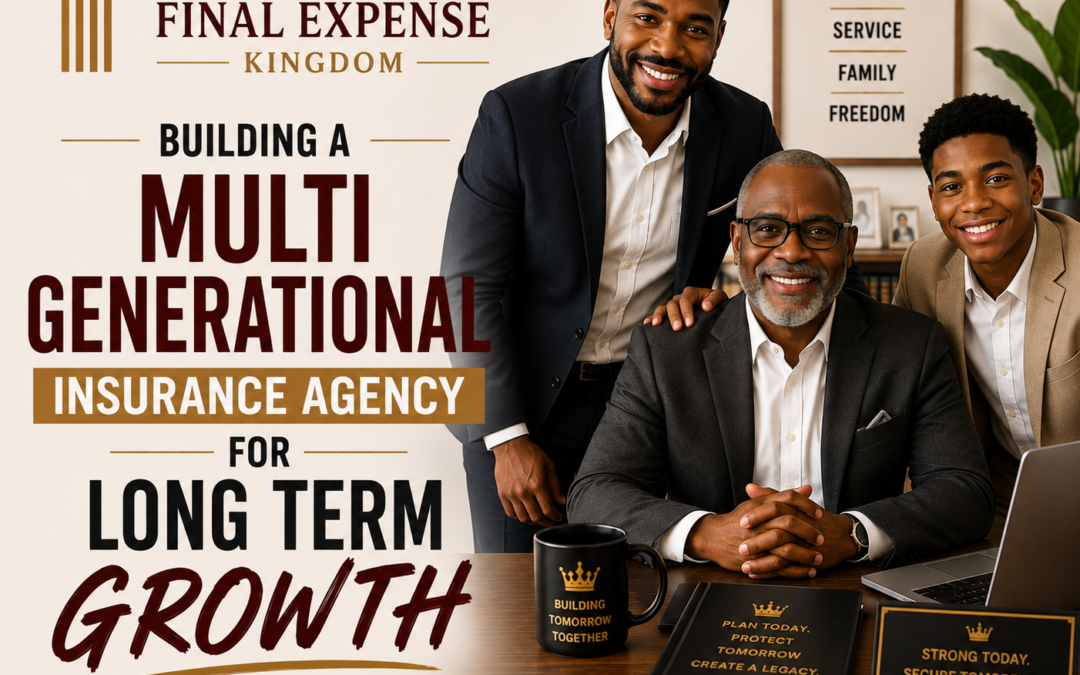
The insurance industry is built on trust, relationships, and consistency. While technology and market trends continue to evolve, one factor remains a powerful driver of long term success: continuity. For many successful agencies, continuity comes through a multi generational business model that combines experience, fresh perspectives, and a shared commitment to serving clients.
Building a multi generational insurance agency is not simply about passing ownership from one generation to the next. It involves creating a sustainable business structure that supports leadership development, knowledge transfer, and long term growth. Agencies that successfully embrace this approach are often better positioned to navigate industry changes, strengthen client relationships, and maintain a competitive advantage.
Why Multi Generational Agencies Thrive
Insurance is a relationship driven business. Clients often stay with agencies for years, sometimes even decades. When an agency demonstrates stability across generations, it reinforces confidence and trust among clients, carriers, and business partners.
A multi generational agency also benefits from diverse perspectives. Senior leaders bring years of industry knowledge, market understanding, and relationship management skills. Younger professionals contribute innovative ideas, digital expertise, and new approaches to client engagement. Together, these strengths create a balanced foundation for growth.
This combination allows agencies to adapt to changing customer expectations while preserving the values and service standards that have built their reputation over time.
Creating a Long Term Vision
One of the most important steps in building a multi generational insurance agency is developing a clear long term vision. Growth should not be limited to annual revenue goals or short term performance metrics. Instead, agency leaders should focus on where the business needs to be in the next ten, twenty, or even thirty years.
A strategic vision helps align leadership decisions, talent development initiatives, and succession planning efforts. It also provides clarity for employees who want to understand how they can contribute to the agency’s future success.
When leadership teams communicate a long term vision effectively, they create a culture that encourages commitment, innovation, and shared responsibility.
Prioritizing Succession Planning Early
Many agency owners delay succession planning until retirement approaches. Unfortunately, waiting too long can create uncertainty for employees, clients, and carrier partners.
Successful multi generational agencies begin succession planning years before leadership transitions occur. Early planning allows future leaders to gain practical experience, develop management skills, and build credibility within the organization.
A structured succession strategy should include:
- Leadership development programs
- Mentorship opportunities
- Defined ownership transition plans
- Financial planning for future stakeholders
By addressing these areas proactively, agencies can reduce disruption and ensure a smooth transfer of responsibilities when the time comes.
Preserving Institutional Knowledge
One of the greatest assets within any insurance agency is institutional knowledge. Experienced professionals often possess valuable insights regarding client relationships, underwriting practices, carrier partnerships, and business operations.
Without a formal knowledge transfer process, agencies risk losing critical expertise when senior employees retire or move on.
Creating mentorship programs can help bridge this gap. Senior team members can share practical experience while mentoring emerging leaders. Documentation of processes, client management strategies, and operational best practices can further support continuity across generations.
Knowledge sharing should be viewed as an ongoing business strategy rather than a one time initiative.
Embracing Technology Without Losing the Human Touch
Technology continues to reshape the insurance landscape. From customer relationship management systems to automation tools and data analytics platforms, digital solutions can improve efficiency and enhance the client experience.
However, successful multi generational agencies understand that technology should complement relationships rather than replace them.
Younger professionals often play a key role in identifying and implementing innovative tools. At the same time, experienced leaders help ensure that technology supports the agency’s commitment to personalized service.
Finding the right balance between digital innovation and human interaction can strengthen customer loyalty while improving operational performance.
Building Leadership Across Generations
Leadership development is essential for sustainable growth. Agencies should actively identify and nurture future leaders at every stage of their careers.
This process goes beyond technical insurance knowledge. Future leaders need strong communication skills, business acumen, strategic thinking abilities, and the confidence to guide teams through change.
Organizations that invest in leadership development create a stronger talent pipeline and reduce the risks associated with unexpected leadership transitions.
Providing opportunities for cross generational collaboration can also help future leaders gain valuable perspectives from different stages of professional experience.
Strengthening Client Relationships Across Generations
Client expectations evolve over time. Different generations prefer different communication styles, service channels, and engagement methods.
A multi generational team can effectively serve a broader client base by understanding these varying preferences. Older clients may value personal interactions and long standing relationships, while younger business owners may prefer digital communication and faster response times.
Having team members from multiple generations enables agencies to deliver personalized experiences that resonate with diverse customer groups.
This adaptability can help attract new clients while maintaining strong retention rates among existing accounts.
Creating a Culture That Supports Longevity
A strong organizational culture is often the foundation of a successful multi generational agency. Employees should feel connected to the agency’s mission, values, and long term goals.
Open communication, mutual respect, and collaboration across generations are critical components of a healthy workplace culture. When employees see opportunities for growth and leadership advancement, they are more likely to remain engaged and committed.
Agencies that foster a culture of learning and innovation are better equipped to thrive in an increasingly competitive marketplace.
Conclusion
Building a multi generational insurance agency for long term growth requires careful planning, strong leadership, and a commitment to continuous development. By focusing on succession planning, knowledge transfer, leadership cultivation, and technology adoption, agencies can create a resilient business model with Final Expense Kingdom that stands the test of time.
The most successful insurance agencies recognize that long term growth is not solely about expanding revenue. It is about creating a lasting legacy that serves clients, supports employees, and ensures business continuity for future generations.
Frequently Asked Questions
What is a multi generational insurance agency?
A multi generational insurance agency is a business where leadership, ownership, or key operational roles are shared across multiple generations, ensuring continuity and long term growth.
Why is succession planning important for insurance agencies?
Succession planning helps agencies prepare future leaders, maintain operational stability, and ensure a smooth transition of ownership and management responsibilities.
How can insurance agencies transfer knowledge between generations?
Agencies can use mentorship programs, leadership training, documentation processes, and collaborative projects to preserve and share valuable institutional knowledge.
What role does technology play in a multi generational insurance agency?
Technology improves efficiency, customer service, and business operations. When combined with strong personal relationships, it helps agencies remain competitive while maintaining client trust.